图|国际母乳会中国图片库
资讯来源|The Womanly Art of Breastfeeding(8th Edition)
翻译|国际母乳会
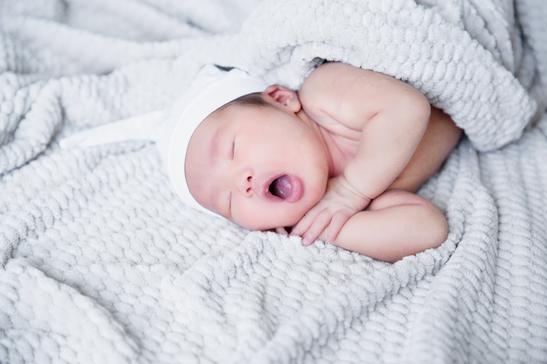
❖最初,宝宝会有细微的暗示——眼珠在眼皮下转动、还没睁眼眼皮就微微颤动、小手伸向脸部,小嘴也动了起来。
❖接下来有更明显的暗示——往你的胸口钻、低声呜咽、发出吱吱声。
❖如果这时你开始喂他,他很有可能会放松地很容易地吸吮起乳汁来。
❖随着他的饥饿感增加,身体和嘴巴会紧张起来,呼吸急促,并伴随着哭泣。
❖一旦开始哭就较难含乳。哭是宝宝饥饿的较晚信号。在尝试喂宝宝前先让他平静下来。
❖如果你及时回应宝宝的需要而不是等她哭了才喂奶,哺乳会变得简单许多。
❖别等到奶涨的那一刻,那时奶水生产的速度已减慢。
❖即使宝宝没有要求,你也可以在你想喂他的时候喂他。
图|国际母乳会中国图片库
Feeding Cues
Information Resource:The Womanly Art of Breastfeeding (8th Edition)
❖ A baby start swith subtle nursing cues— eyes moving beneath eyelids, eyelids fluttering before they even open, hands coming toward face, mouth movements.
❖Then she adds more obvious ones—rooting toward your chest, whimpering or squeaking.
❖If you offer to nurse now, she'll probably take your breast gentlyand easily
❖As her hunger builds, her body and mouth tense. She breathes fast or starts to cry.
❖Once she's crying, she'll have a harder time latching. Crying is a late sign of hunger. Calm her down before trying to feed her.
❖Breastfeeding is easier if you answer her requests instead of waiting for her demands.
❖Don't wait foryour breasts to feel full. A full breast has already started to slow down production.
❖Offer even if she's not asking, anytime you like.